

Category: Food

Cooking with seasonal ingredients also allows for greater variety in your meals. Each season brings a unique selection of produce, encouraging you to experiment with different flavors and textures. In spring, you might enjoy tender asparagus and sweet peas, while summer offers juicy tomatoes and vibrant berries. Autumn brings hearty squash and crisp apples, and…
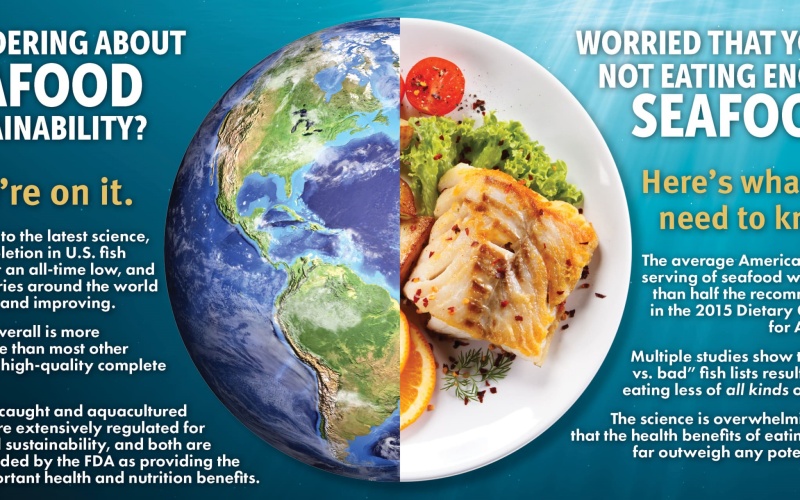
Another important aspect of food sustainability is minimizing food waste. Globally, a significant portion of food produced is wasted, contributing to greenhouse gas emissions and unnecessary resource depletion. To combat this, individuals can adopt practices such as meal planning, proper food storage, and utilizing leftovers creatively. Composting is another effective way to reduce waste, as…

Knife skills are another crucial aspect of culinary techniques. Properly wielding a knife not only improves efficiency but also enhances safety in the kitchen. Learning to chop, dice, and julienne ingredients ensures uniform cooking and presentation, making your dishes look as good as they taste. Additionally, mastering different cuts can help you understand the characteristics…

Another essential tip is mastering the techniques that define gourmet cuisine. Techniques such as sous-vide cooking, emulsification, and proper knife skills can elevate your cooking. Sous-vide allows for precise temperature control, resulting in perfectly cooked proteins. Emulsification is key for creating smooth sauces and dressings, while honing your knife skills can improve presentation and cooking…

One of the foundational principles of flavor pairing is the concept of complementary flavors. Ingredients that share similar flavor compounds often work well together. For example, the earthy notes of mushrooms pair beautifully with the rich umami of soy sauce. This combination enhances the overall depth of a dish, making it more satisfying. Similarly, the…